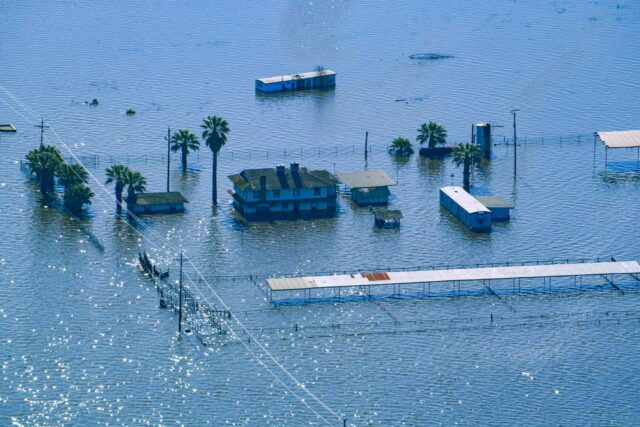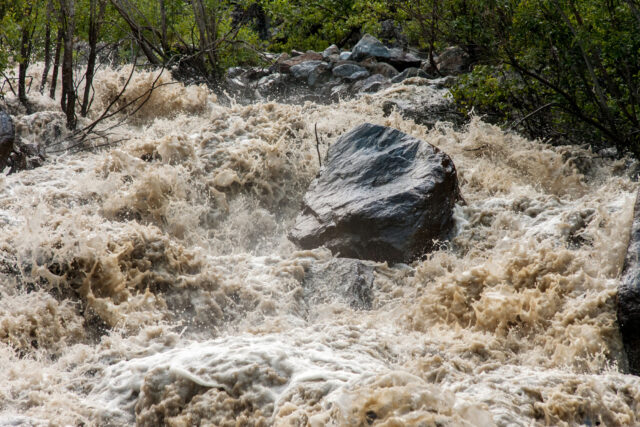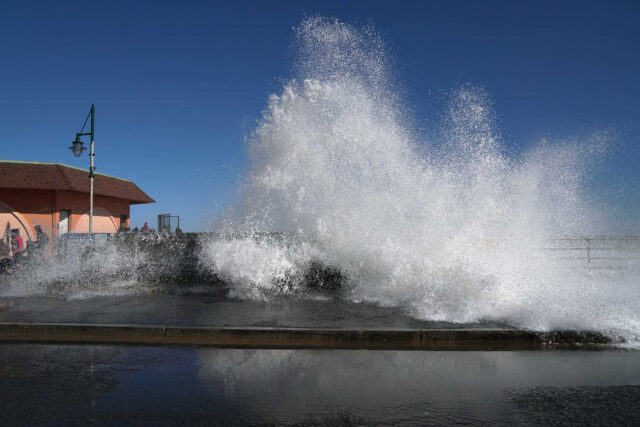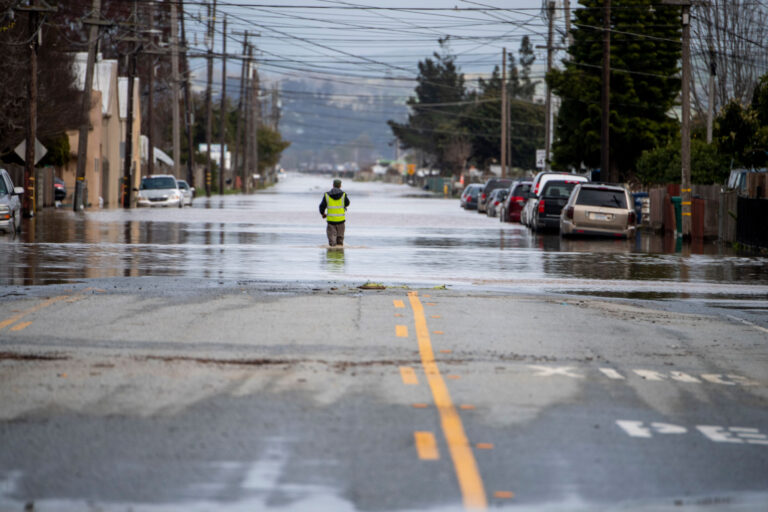

The two hurricanes that walloped the southeast recently—Helene and Milton—caused extensive damage and loss of life, with Helene becoming the second-deadliest hurricane in the last 30 years. Although thousands of miles away, these two hurricanes serve as reminders about flood management in California.
Here are a few key takeaways:
California storms can be just as intense and destructive as hurricanes. Although hurricanes are not part of California’s natural disaster portfolio, people sometimes forget that California has its own equivalent in atmospheric rivers (ARs). These storms—which often carry as much water as the Amazon River up in the atmosphere—originate in the subtropical Pacific Ocean and deliver prodigious amounts of rain and snow to California. Although ARs do not pack the high-speed winds of hurricanes, their precipitation intensities match what we’ve seen in Helene and Milton.
What happens prior to a storm matters. As noted in the media, a “predecessor event” made Hurricane Helene much more destructive. Just before Helene made landfall, an intense storm soaked western North Carolina. The ground had no capacity to absorb Helene’s subsequent rains, leading to numerous deadly landslides, flash floods, and record high flows on rivers. This is precisely what happens when AR “families”— AR storms that follow fast on the heels of one another—strike California. All of California’s major floods over the past 180 years of record-keeping—including the Great Flood of 1861–62—are associated with AR families.
Flood maps underestimate risk. The current federal regulatory approach to flood planning uses incentives to keep new development out of river and coastal floodplains that have an estimated 1-in-100 chance of flooding every year. (These incentives include mandatory insurance, flood preparedness funding, and new flood infrastructure investments.) The problem is that maps—called Special Flood Hazard Areas (SFHA)—do not capture flood risk well. They are often based on outdated information and may not include combined flooding from ocean and rivers or overwhelmed urban drainage systems. And the methods used to develop these zones do not consider the changing climate. Though SFHA-adjacent areas can face significant flood risk, they have no development restrictions. In North Carolina, most damage occurred in areas considered “safe” from flooding according to the Federal Emergency Management Agency (FEMA) flood maps. In California, with the exception of the Central Valley (which has more stringent flood standards for urban areas), this approach has promoted the development of floodplains right up to the edge of SFHAs, leaving millions of Californians at high risk of flooding during large storms.
Flood insurance is not working. Federally subsidized flood insurance helps reduce the economic risk associated with flooding. Under the National Flood Insurance Program (NFIP), if a home lies within a SFHA and has a federally backed mortgage, the owner is required to have flood insurance. Homes at risk of flooding outside these areas have access to federal flood insurance at a reduced premium but are not required to purchase it.
There are three problems with this status quo:
1) The requirement only applies to the SFHAs, which do not include many areas with exceptionally high flood risk, including much of urban Southern California and the Bay Area.
2) Flood insurance uptake is minimal, even where flood risk is high. In western North Carolina, where flooding from Helene was most widespread, less than 1% of properties had insurance. In California, less than 7% of at-risk households currently have flood insurance, and only 1/4 of the households in SFHAs—where insurance is supposedly required—carry insurance.
3) Finally, despite efforts to reform it, the NFIP is in financial trouble and has been forced to borrow repeatedly from the US Treasury to meet its current claims. It will surely hit its borrowing limit this year once all claims are filed after hurricane season. If a large flood occurs this winter in California, the NFIP will most likely be out of money and, unless Congress intervenes, at the limits of its borrowing capacity.
Emergency response and recovery is a crisis within a crisis. Large floods, like those caused by Helene and Milton, require extensive federal involvement, especially from FEMA and agencies like the US Small Business Administration. Like the NFIP, these agencies are facing funding shortfalls after the busy hurricane season. FEMA’s Disaster Relief Fund, which helps communities rebuild following a natural disaster, will be depleted by November. And in October, the Small Business Administration announced that it has exhausted funds for its disaster loan program. California might get lucky and not have any major disasters requiring large amounts of federal support before Congress addresses these shortfalls. But California is a disaster-prone state, with wildfires, floods, and earthquakes a threat in any year.
The good news is that, as California’s floods in 2023 and 2024 showed, the state—in conjunction with federal and local partners—does a good job of responding to modest flood emergencies. But California’s flood management challenges are not all that different from the hurricane-prone regions of the country—and bigger floods are coming our way as the climate changes. We need to become better prepared, especially as climate change is increasing risks. We are not ready yet—and we need to act now.