California faces a range of water quality challenges.
- Ensuring adequate and safe water supplies for homes, businesses, and the environment requires managing water quality challenges across the state.
- Water quality standards vary depending on the use: for example, the water quality needed to grow crops differs from the quality required for community water use or ecosystem health.
- California is addressing ongoing and emerging contamination while grappling with the lingering effects of legacy pollutants from industry, urban activities, and historical mining.
Pollution from communities, farms, dairies, and industry impairs water quality.
- In urban areas, a complex mix of chemicals in the runoff from roads, lawns, and gardens generally goes untreated into streams and ultimately into estuaries and the ocean. Despite extensive control efforts, trash, especially plastic pollution, ends up in waterways from stormwater drains and dumping, where it degrades into microplastics that enter the food web and may harm wildlife and people.
- In rural areas, pesticides, fertilizers, and animal waste from farms and dairies contaminate both surface water and groundwater. Salt, which is commonly found in fertilizers, animal waste, and urban wastewater, reduces farmland productivity and increases urban wáter treatment costs. In some coastal areas, intensive groundwater pumping has caused saltwater intrusion into aquifers.
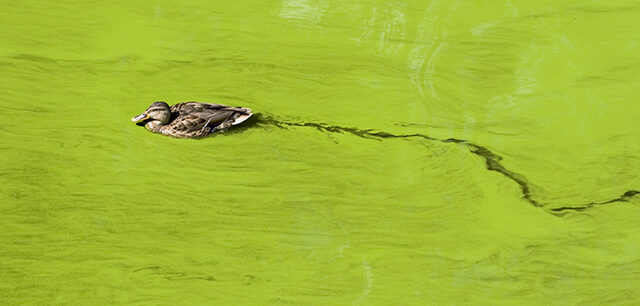
- Pathogens from human or animal waste such as E. coli contaminate many waterways and lead to restrictions on recreational activities such as swimming and fishing. Increased nutrient levels in waterways from sewage and agricultural runoff contribute to harmful algal blooms, which can cause fish die-offs and pose health risks to humans and our pets.
- Industrial processes can generate harmful pollutants, which require expensive treatment before being released into waterways and groundwater basins. Historical mining and other industrial practices are largely responsible for the mercury and PCB contamination of fish in hundreds of water bodies across the state.
Water quality regulations protect public health and the environment . . .
- Water quality regulation was expanded in the 1960s and ’70s with the passage of California’s Porter-Cologne Water Quality Control Act and the federal Clean Water and Safe Drinking Water Acts, which authorize state and federal agencies to set standards for water quality.
- The State Water Resources Control Board and nine regional boards, in collaboration with the US Environmental Protection Agency, set and enforce limits for the discharge of pollutants in water bodies throughout California.
- The boards establish “total maximum daily loads” (TMDLs) for pollution including nutrients, pathogens, metals, sediment, and other pollutants. The state has adopted over 200 new TMDL projects since the early 1990s. Tracking progress on TMDLs can illustrate how well certain high-priority water quality challenges are being addressed across the state.
. . . but it is growing more difficult to maintain good water quality.
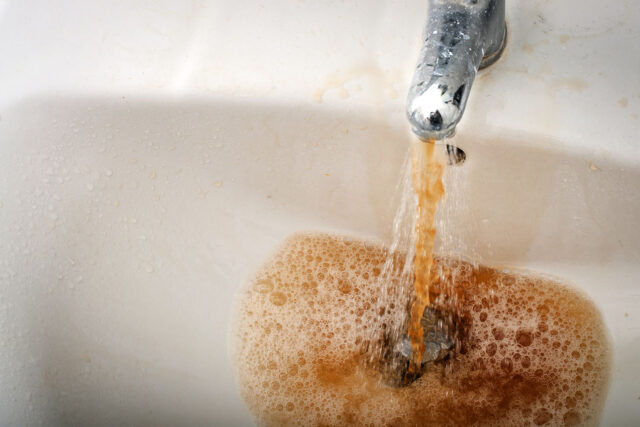
- Emerging contaminants—those that have recently been discovered or are under-regulated—are increasingly entering the environment through municipal wastewater and other pathways. Costly to remove, these contaminants include microplastics, pharmaceuticals, personal care product ingredients, urban pesticides, as well as PFAS “forever chemicals,” which have been found to contaminate the drinking water of up to 25 million Californians.
- Climate change is leading to more intense droughts, warmer temperatures, and reduced flows, which negatively impact water quality. Warmer water contributes to more harmful algal blooms, and it is particularly problematic for temperature-sensitive species like salmon and steelhead.
- California’s increasingly severe wildfires worsen erosion from hillsides into streams when it rains, degrading water quality, damaging infrastructure, and driving up water treatment and maintenance costs.
Progress on water quality varies across the state

SOURCE: TMDL report card data is provided by the State Water Resources Control Board.
NOTES: This map shows the progress toward water quality improvements by region based on report cards assessing TMDL progress. “Data inconclusive” refers to water bodies with TMDLs for which there was not sufficient monitoring to determine status. The numbers within each slice of the pie charts show the number of report cards from the years 2013–24 for that category. Regions are not required to complete a report card for every TMDL. Rather they select which and how many report cards to complete in a given year.
Despite challenges, California is making progress on water quality.
- Roughly half of recent water quality report cards show some improvement, but more progress is needed.
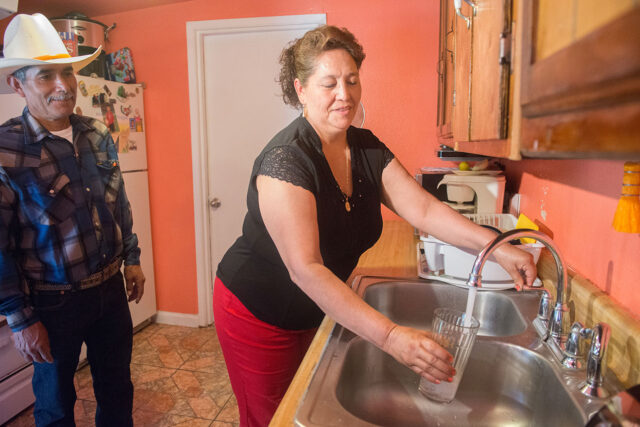
- State programs, including Safe and Affordable Funding for Equity and Resilience (SAFER), have improved access to safe and reliable drinking water. While about 750,000 Californians still lack access to clean drinking water, $1.9 billion of funding for water supply and water quality from California’s 2024 Proposition 4 could help.
- The state works to protect public health by publishing a Safe to Swim map, which shows trends in pathogens at coastal and inland swimming areas. To offer guidance on safe levels of fish consumption, the state has published over 150 fish advisories for specific water bodies.
- While no California water bodies are untouched by contamination, the state’s water quality challenges are solvable. Investing in pollution prevention and water infrastructure can support human and wildlife health, save money, and enable water reuse. The European Union’s approach to regulating chemicals could be a useful model for preventing certain types of contamination.
Topics
Drought Floods Forests and Fires Freshwater Ecosystems Paying for Water Safe Drinking Water San Joaquin Valley Water Supply Water, Land & AirLearn More
Fact Sheet · April 2021
Access to Safe Drinking Water in California

Video · February 20, 2019
Water Quality
Report · November 2018
California’s Water: Providing Safe Drinking Water
Blog Post · August 2, 2016
How Green Is My Water?

Blog Post · May 20, 2019
California’s Dairy Industry Faces Water Quality Challenges
Blog Post · November 10, 2015
The Great Nutrient Pollution Challenge