
It has been widely reported that March was a disaster for California’s snowpack. Summer seemed to arrive three months early, with record-shattering heat and dryness and a mere pittance of precipitation. Did a relatively cool, rainy, and even snowy April make up for it? The short answer is no—but it helped.
It’s important to remember that snowpack is California’s third-largest source of water storage, behind surface reservoirs and groundwater. Our statewide water supply grid is built around storing roughly 30% of statewide water supply in snowpack, a relatively reliable source of water through the 20th century.
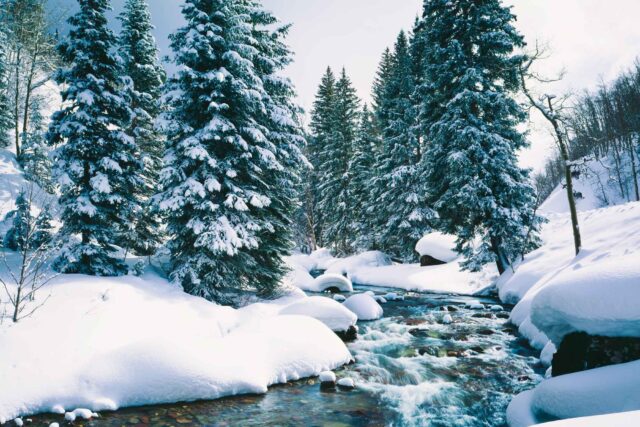
In a typical year, snow accumulates from December through March. Around April 1, warming temperatures, lengthening days, and a higher angle of the sun cause the snowpack to warm up and start melting, raising rivers and filling reservoirs. Depending on how thick the snowpack is, this melting can last well into June and even July in some years.
A difficult March
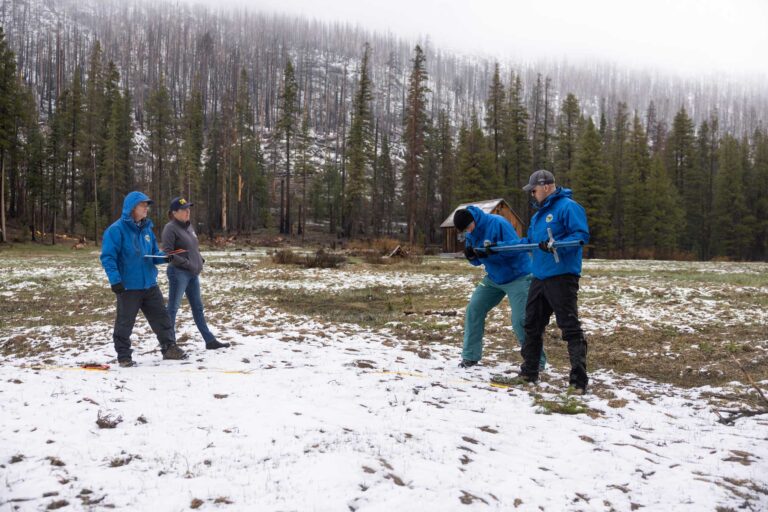
Until the end of February this year, California was on track to have a below average—but still decent—snowpack. Then a hot, dry March melted away the snowpack.
What makes the March collapse so remarkable is its timing—a full month ahead of usual. In the space of one month, more than five million acre-feet of water stored as snow was lost. That is five times the amount of water delivered to southern California by the State Water Project. And most of that water did not get captured as runoff in reservoirs: some went into groundwater, some into soil moisture, and (thanks to the record “thirst” of the atmosphere) much simply evaporated.
A “miracle” April?
Did a miracle April save our water supply from a miserable March? A wet April changed the narrative a bit, but the reality is that March was a snowpack wipeout with implications for water supply in the future. At best, the cooler April conditions plus some helpful snowfall held things steady for the month, but the paltry remaining snowpack is now melting away and won’t add much to summer supplies.
What’s next for the state’s water supply?
The good news is that the state’s reservoirs are above their historical averages. However, they are not close to full and given the lack of snowpack (just 22% of historic average), there are no prospects for filling them. Still, they are full enough that significant shortages are unlikely this summer.
The March loss of snowpack will, however, reverberate into next year. Large reservoir releases that will occur this spring and early summer to meet irrigation demands will not be replaced by melting snow. This loss will likely translate to low reservoir levels this fall, limiting the amount of stored water available as insurance against a dry year next year. We are fine for now because of water we saved from last year. We will not be in as good shape if dry conditions return.
While this wet April was helpful, there is no undoing the damage that a record warm and dry March did to our third-largest source of water storage: snowpack. Most climate modeling suggests that years like this, with early snowmelt, are likely to become more common in the future. This March was a window into that future and a reminder that California needs to urgently invest in an adaptation strategy to deal with the increasing frequency and intensity of snow droughts.