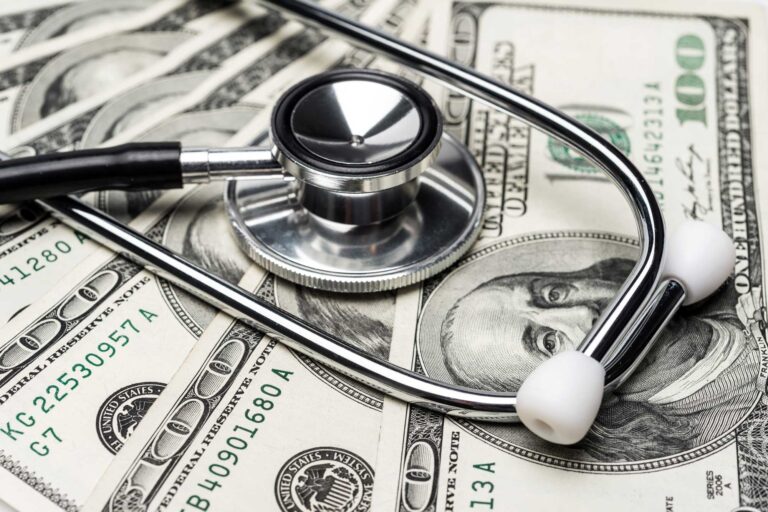

Economic anxieties are prevalent among Californians today. As the gubernatorial primary approaches, cost of living is top of mind for voters—with health care affordability emerging as a key concern. PPIC’s February statewide survey finds that Californians are pessimistic about the future cost of their health care and these worries are fueling broad opposition to federal health care rollbacks.
A majority of California adults (56%) expect health care costs for them and their families to become less affordable over the next year; majorities across regions, income groups, and most demographic groups hold this view. Adults under 55 (58%) are more likely than older adults (51%) to anticipate higher health care costs. Across partisan groups, six in ten Democrats (63%) and independents (59%) expect higher costs, compared to only four in ten Republicans (39%). Overall, Californians are about as likely as adults nationwide (56%) to expect higher costs, according to a recent Kaiser Family Foundation poll.
Findings from our November survey on economic well-being show that many Californians have been facing health care affordability challenges for some time, with 16 percent frequently worrying about unexpected medical costs and 22 percent delaying care or medication due to expense.
Against this backdrop, opposition to federal health care cuts is widespread. The recently enacted federal budget bill (H.R. 1) cuts nearly $1 trillion from Medicaid nationally over ten years, a move expected to cost California billions annually, with the bulk of cuts coming after 2028. Medi-Cal—California’s Medicaid program—currently covers more than 14 million Californians at an estimated cost of $197 billion. Because the federal government covers more than 60 percent of this cost, federal cuts will have major implications.
What do Californians have to say about these changes? Seven in ten at least somewhat oppose the Medicaid cuts, including about half who strongly oppose them. Strong opposition is highest in Los Angeles and the San Francisco Bay Area. More than eight in ten residents earning less than $40,000 at least somewhat oppose the cuts. More than nine in ten Democrats (93%) and seven in ten independents (73%) oppose them, while seven in ten of Republicans (68%) support them.
Californians are also frustrated by the expiration of enhanced Affordable Care Act (ACA) tax credits that provided larger federal subsidies for people with moderate incomes to purchase health insurance from Covered California. With the end of enhanced federal support, premiums increased between $50 to $290 monthly.
Today, nearly two in three (64%) say Congress did the “wrong thing” in allowing ACA tax credits to lapse at the end of 2025, a view shared by six in ten or more across regions and demographic groups. Eight in ten Democrats (82%) and 63 percent of independents hold this view, compared to 65 percent of Republicans who say Congress did the “right thing.”
Views on federal policy are closely tied to expectations about future costs. Among Californians who expect health care to become less affordable, eight in ten oppose the Medicaid cuts and three in four say Congress made the wrong decision on ACA tax credits.
These issues are at the forefront of voters’ minds as they consider their choices in the June primary. The next governor and other state leaders will face mounting pressure to address health care costs. State efforts are already underway to tackle this complex issue, notably through the relatively new Office of Health Care Affordability (OHCA), which was created to slow the growth of health care costs and inform data-driven policy.
As these state-level initiatives take shape against a shifting federal landscape, PPIC will continue to track public perceptions of affordability, health care, and their impact on Californians and their families.
Topics
2026 Election Affordable Care Act cost of living Covered California economic insecurity elections Health & Safety Net health care health insurance Medi-Cal Medicaid Political Landscape Statewide Survey tax credits US Congress votersLearn More
Public Health Insurance in California
PPIC Statewide Survey: Californians and Their Government

Many Californians Are Paying More for Health Insurance from Covered California