The Sacramento–San Joaquin Delta is at the center of California’s long-distance water distribution system. But a number of challenges—from aging levees and sea level rise to sinking land—are threatening this vital resource. We spoke with Campbell Ingram of the Delta Conservancy about what’s needed to increase the resilience of the Delta’s communities, ecosystems, and water infrastructure.
 Water exported from the Delta supplies about 30 million people and irrigates about 3 million acres of farmland. What challenges is the Delta facing as a water infrastructure hub?
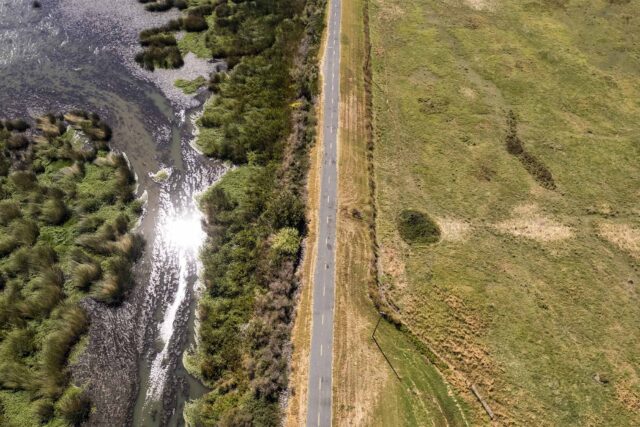
Subsidence is a big one. Currently, 150,000 acres of Delta islands lie 25–30 feet below sea level because of the oxidation of peat soils. This subsidence continues to happen at the rate of 1–2 inches a year, releasing about 1.2 million tons of carbon into the atmosphere. As the climate changes, more intense storms are coming through and eroding levees. If you lose one island, the wind energy causes waves to erode other levees.
Also, if an earthquake liquified the levees around this subsided land, it would draw in saltwater from the San Francisco Bay to fill the area below sea level, making the Delta salty. We’re really vulnerable to physically losing the Delta.
That could disrupt drinking water and irrigation exports for several months, which would be quite costly for the state, and cause damage to critical infrastructure in the Delta, such as roads. There is also the very high cost of pumping out islands and restoring their levees once they fail. It would have major effects on the California economy.
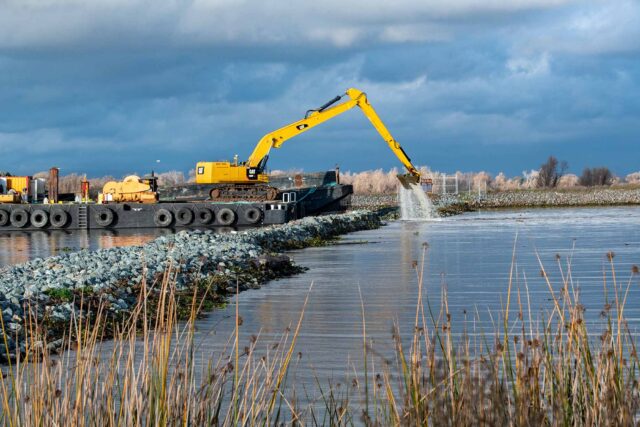
To help prevent this, the Delta needs investment to address subsidence, improve ongoing levee maintenance to keep water moving through the Delta, and protect agriculture and agricultural communities.
How will you pay for activities to address these issues?
The price tag is high for two reasons. First, California’s water infrastructure hub was placed on a historical peat wetland that is now very subsided. Second, we have been slow to address the problems associated with that, and we need to start.
Several years back, we pulled together agencies and entities to talk about the projects needed. We found that there was $2 billion in need—$1 billion for restoration, including nature-based solutions that halt and reverse subsidence, and $1 billion for levee work. Since then, California has established a nature-based solutions target of rewetting 50,000 acres by 2045. All of that is currently unfunded.
How do we typically pay for these things? Historically we’ve used bond funds.
But in the most recent $10 billion climate bond, the Delta was overlooked. The Delta received $150 million for levee work, $150 million for a specific restoration project, and just $29 million for nature-based solutions, subsidence work, and community development. In contrast, the Coastal Conservancy got $1 billion and wildlife conservation got $1 billion. The Delta didn’t get the focus it needed.
How do you set priorities if there’s not enough money?
Setting priorities in the Delta is extremely challenging. Nobody agrees on anything! But the most important issues to address are levees, nature-based solutions, habitat, and community development.
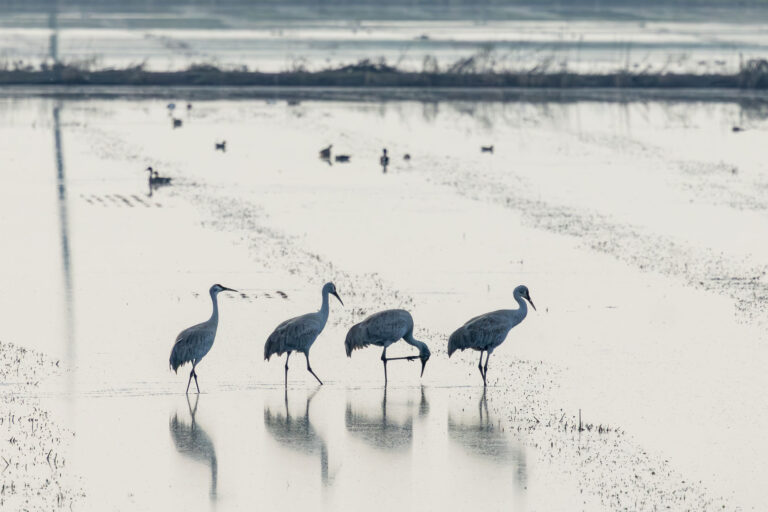
We should prioritize investing in levees and addressing subsidence, which is exacerbating all the other problems. We need to put water on the landscape, because that halts subsidence and reduces pressure on levees. Farmers are willing to convert to rice or managed wetlands and engage in the carbon market. We’ve got whole-island demonstrations to show how you can stop subsidence, reduce carbon emissions, and be economically viable.
We also need to put more money into the community. Without agriculture in the Delta, you don’t have anybody maintaining the levees. Farmers get support from the state to do this, but even with state support, residents still must cover 25% of the cost.
Another huge cost for Delta farmers is constantly pumping out water that seeps around and under the levees. We’re trying to help them convert to other, less expensive methods to shed water. In general, they’re in a bleak situation when it comes to the long-term viability of agriculture in the Delta.
Final thoughts?
Bond funding is very episodic. Previous funds from Prop 1 and Prop 68 are almost used up. Now we have some money from Prop 4 for climate work. When that’s gone, there’s nothing. It makes it hard to prioritize when funding is so variable. The Delta needs a consistent funding source.
The Delta community should come together to articulate the investment needs and the benefits of those investments. We need to elevate these issues and help the state understand how important the Delta is to the state’s agriculture, water supply, and economy, so that we’re appropriately investing in the Delta’s resilience.