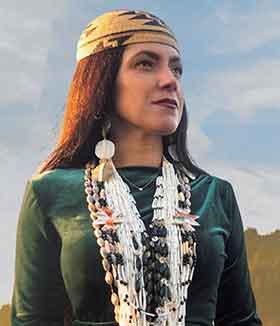
Lawyer Amy Cordalis, a member of the Yurok Tribe, grew up on the Klamath River. She’s an advocate for Indigenous rights and environmental restoration, and her family’s history with the river goes back generations. Now, she tells that story in her new book, The Water Remembers.
 Tell us about your family’s connection to fishing on the Klamath, and how that’s tied to the river’s restoration.
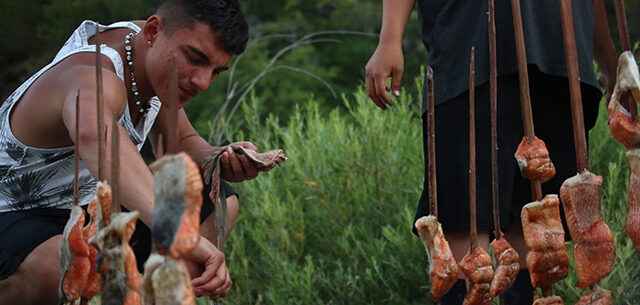
The Yurok people are a fishing people. We’re privileged to have maintained a fishing way of life through generations since time immemorial. My dad would always say we’ve been fishing these same runs of salmon, in the same place, for so long that we carry each other’s DNA. A lot of people haven’t been able to maintain connections to their home villages and home waters. In my family, we have. The book tells the story of how we have fought for that.
I start the book with the Yurok creation story because it sets up our relationship with the river. In the creation story, humans accepted the job of stewarding and taking care of the earth. We will never want for anything so long as we live in balance with the natural world. Now that the earth is out of balance and salmon are not doing well, that triggers our duty to care for them. That’s why my family, the Yurok Tribe, and others have stepped up and led the charge to heal the Klamath and restore the balance between humans and nature.
What was it like for you when those dams finally came out of the river?
It was like witnessing a miracle, watching the moment that the water reconnected for the first time in over a hundred years. It was deeply healing. My ancestors and I had dedicated our lives, in part, to getting to that moment.
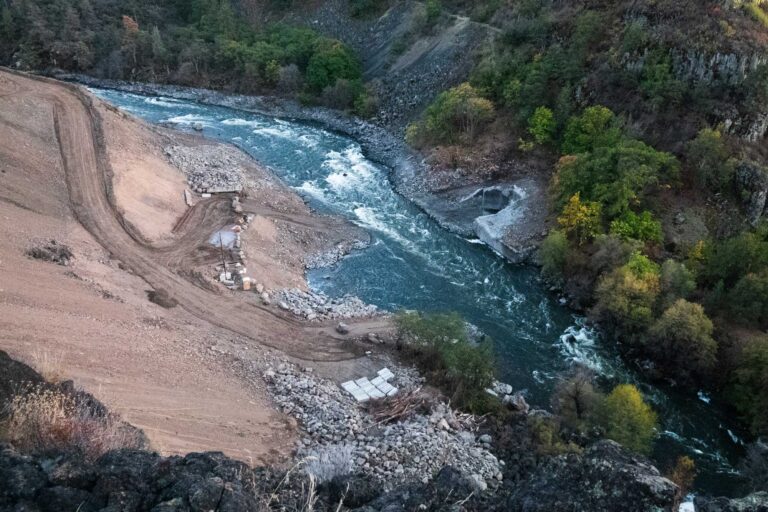
Iron Gate Dam was a monstrous structure, and it was red, so it looked like blood. It was the end of the line for salmon; the whole area was lined with rotting salmon carcasses. Immediately behind the dam, the reservoir would be a toxic green because of blue-green algae blooms. It was an awful place.
Three days after the dam came down, the salmon blasted right past that spot into historical spawning grounds where they hadn’t been in a hundred years. That’s why I titled the book The Water Remembers. A three-year-old salmon has never been past the dams, but somewhere in their ancestral DNA they know to keep going. In the lifetime of the river, she blinked her eye and she was healthy again, and we got to see that.
The Klamath dam removal was also profitable and good for business. Berkshire Hathaway owned the dams, and we entered into what eventually became a $515 million settlement agreement to remove the dams and do the restoration work. The agreement pumped money into the local economy and private companies.
What’s currently happening on the Klamath River, now that the dams have been removed?
The restoration projects will continue through 2028 on about 20,000 acres within the project area. The facilitation of land back has been wonderful. PacifiCorps owned most of the land in the project area, and most of it will be transferred back to the original Tribes. The Shasta and Modoc Tribes historically were subject to murderous raids and were ultimately extirpated from the land. A Klamath intertribal land trust will hold the land, until the Tribes with ancestral ties can take it on. It’s beautiful to watch both the land and relationships to the land be restored.
We do need to get more water into the river and figure out how to continue to allow sustainable agriculture while keeping a viable river with a healthy water table. That’s complicated.
Final thoughts?
There’s another way of being in relationship with the natural world than what we see in most of California. This other way is the Yurok way of thinking, but anybody is welcome to advance this worldview and interact with the world in this way. When new people came to this place, we weren’t given the opportunity to share that worldview. We’re now in a place where we can.
It continues to be an exciting, complicated time on the Klamath River. The dam removal was just the beginning. The Klamath is a powerful place, and I encourage everyone to visit. It’s soul-changing. It changes your mind about what is possible. We can do remarkable things when we work together toward a common goal.
Topics
California rivers dam removal endangered species Freshwater Ecosystems Klamath River Native American Water Supply Water, Land & Air wildlifeLearn More
Tribal Water Rights and Water Use in California
Tribal Water Rights in California
A Promising New Effort to Save California’s Salmon
Exploring the Yurok Tribe’s Management of the Klamath River
Commentary: Klamath Basin Dam Removal Needs a Science-driven Oversight Plan
Standing at the Cusp: The Klamath River Edges Closer to Dam Removals