
Table of Contents
- Letter from the Center Director
- Water Research Amid Changing State–Federal Partnerships
- Accounting for Water
- Paying for Water
- Building Climate Resilience
- Using Research to Rise to Current Challenges
- Related Content
- Authors and Acknowledgments
- Report Funders
- PPIC Board of Directors
- Water Policy Center Advisory Council
- Copyright
Letter from the Center Director

For many in the California water world, 2025 has been a wild year. It began with the tragic wildfires in Southern California, which stunned the state and touched off a maelstrom of concern about fire, water management, and the changing climate.
That painful January was soon followed by an avalanche of federal actions that have begun to reshape the federal government. Aimed at streamlining agencies, lowering spending, and reducing the federal workforce, the shifts have introduced uncertainty into longstanding relationships between federal and state agencies, universities, NGOs, and other institutions. Some of the changes already have affected—or will affect—California’s partnership with the federal government on water management.
The importance of this partnership cannot be overstated. For decades, California has managed its water hand in hand with the federal government. (We explored this partnership in a series of blog posts earlier this year.) Now that relationship is transforming, introducing uncertainty while the state grapples with major challenges like moving toward sustainable groundwater use, learning to manage headwaters to reduce extreme wildfire, and adapting water management for climate resilience.
So, at a time like this, why are we looking at the state’s research agenda?
The answer is simple. In California, research underpins all water-related activity. It is vital for coping with too much water, too little water, and rapid changes in hydrology. Whether you are a farmer managing the precise application of water to your crops, a utility providing clean drinking water supplies to your community, or a restorationist trying to heal a damaged wetland, your actions rely upon decades of applied research that guides your actions and measures your success.
The same reliance on research applies if you are developing policies to reduce the price of water, increase its reliability, regulate its usage, and reduce hazards from floods. None of this works without a vast research enterprise that is regularly updating the science and technology we use to manage water, prepare for the future, inform the public, and address new problems as they arise.
California is blessed with top-notch researchers—from state and federal agencies, universities, consulting firms, and NGOs—who are responsible for many of the tools the state uses to manage its water.
This spring, we convened some of these experts, along with select leaders in water policy, for a one-day intensive conversation. We asked them to evaluate the state of water research in California and to identify research priorities that could meet the challenges of the 21st century. These conversations form the basis of our recommendations.
This report also highlights the challenges California is facing to maintain vital research to support water management. It was not possible or sensible to talk about research priorities without talking about the larger federal context, which is still unfolding.
In a moment of diminishing resources, it is important to deploy our remaining resources strategically, to bring the most benefit to decisionmakers and water managers attempting to do more with less. We hope this report will help guide this difficult task.
I am reminded of the years I spent rowing in college. I joined the team in my first year, when it was brand new. We were scrappy, coaching ourselves and competing for the first time at the intercollegiate level against more established programs. Our boat won the first of many victorious races that year. How did we do it? I attribute half of our success to hard work, and the other half to the fact that we rowed in sync.
Californians know how to work hard to achieve difficult goals. We need to point ourselves in the right direction and row hard in sync. That collaborative spirit will help us make smart choices for water during this time of limited resources. We hope this report helps identify key areas where we can find some collective wins.
Sincerely,
Letitia Grenier
Director, PPIC Water Policy Center
Water Research Amid Changing State–Federal Partnerships
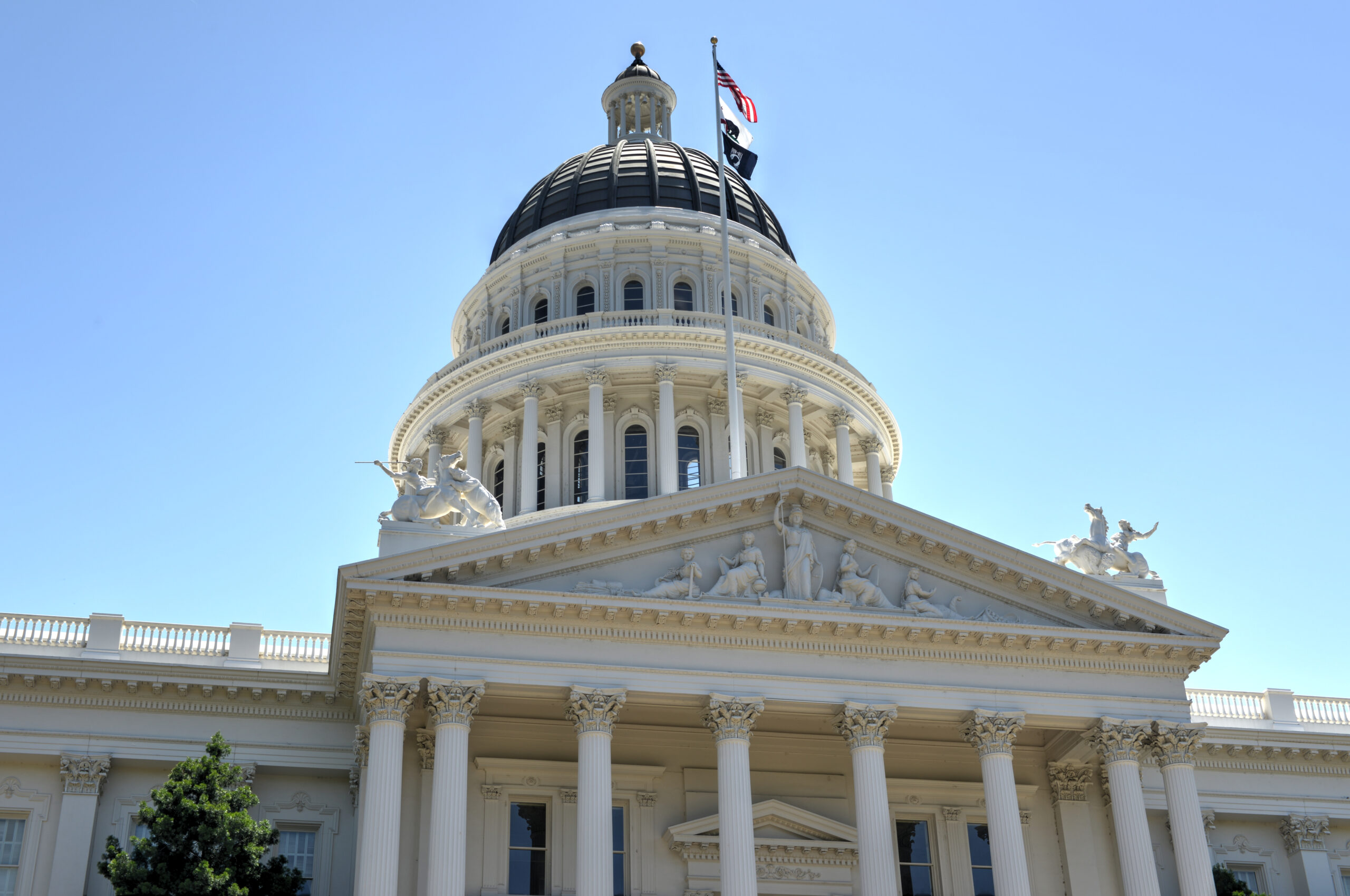
The health of the state’s residents, economy, culture, and ecosystems depends on access to high-quality, reliable water. But those tasked with managing the state’s water face daunting challenges, from a rapidly changing climate to aging infrastructure.
Across California, water managers rely on a range of tools—from models and monitoring systems to markets and planning frameworks—to identify risks, test alternatives, implement solutions, and track progress. These tools are built and refined through applied research by agencies, universities, consulting firms, and non-governmental organizations. Fostering a resilient water system—one that can withstand climate pressures and shifting demands—requires researchers and policymakers to work hand in hand.
Federal agencies are responsible for many water-related activities and services, including monitoring and measurement, operating key water infrastructure like surface reservoirs and conveyance, and supporting local water supply and stewardship programs. Data from these activities form the foundation for applied water research, and federal support services influence all aspects of water management, including mitigating the impacts of natural disasters like wildfires and floods.
And in the past year the federal government—one of California’s most important partners in research, funding, and management for its water systems—has been downsizing.
Staffing and Budget Changes at Federal Agencies
In 2025, the federal agencies most involved in California water have seen thousands of staff departures, relative to full-time 2024 staffing levels, from buyouts and staff cuts. The list below provides a snapshot of the magnitude of staffing changes at select departments before the October 2025 federal shutdown. (The percentage of cuts at the agency level may differ from the departmental average.)
- Department of the Interior (16% reduction in staff), which encompasses the US Bureau of Reclamation (USBR) (25%), US Fish and Wildlife Service, and US Geological Survey (USGS);
- National Aeronautic and Space Administration (NASA) (27%);
- Department of Commerce (7%), which includes the National Oceanic and Atmospheric Administration (NOAA) (20%); and
- US Department of Agriculture (USDA) (24%).
Areas under scrutiny that could experience significant reductions in their FY26 budget relative to previous years, or even elimination, include the following:
- Research. The National Science Foundation’s basic research programs; USDA’s research grant programs; the USGS’s Ecosystems Mission Area; and NOAA’s Oceanic and Atmospheric Research program. The data and science from these programs support forecasting, planning, and decision-making for water resource management.
- Monitoring. The USGS streamgage network, which provides critical data for water management, emergency response, and habitat conservation; and the NASA’s Earth Science Division, which supports satellite-based climate and weather monitoring essential to both research and operational water management.
- Management. The USBR and US Army Corps of Engineers, which operate federal dams and infrastructure projects, including the Central Valley Project; the USDA, which is home to the Forest Service and is crucial for wildfire fighting, prevention and recovery in headwater forests; and the USDA’s Natural Resources Conservation Service, which provides technical support to farms.
- Funding. Federal grants support infrastructure, municipal utilities, regulatory enforcement, and technical assistance. Notable on the list slated for cuts is the US Environmental Protection Agency’s (EPA) Clean Water and Drinking Water State Revolving Funds.
- Emergency management. The Federal Emergency Management Agency (FEMA) and the National Flood Insurance Program (NFIP) play a key role in disaster preparation, response, and recovery.
In this moment of uncertainty, the state needs to be ready for reduced participation from its most important partner, the federal government. The big question will be the nature of this rapidly changing relationship. California policymakers now must plan around, rather than with, the federal government—and one area of great uncertainty is applied research to support water management.

In spring 2025, the PPIC Water Policy Center and the Secure Water Future research program at UC Merced assembled a group of experts in applied water resources research. The group was tasked with evaluating the state of research in California water and recommending research priorities that would be most helpful to decisionmakers. These discussions were heavily influenced by the recognition that the reliability of data and support from federal agencies are increasingly uncertain, and the state may need to step in to backfill critical research support and services. The research priorities assessed here are intended to inform decisions about where to invest.
Bearing this in mind, participants offered many recommendations for applied research. We distilled these into three focus areas that are likely to yield near-term benefits for decisionmakers across all water sectors:
- Accounting for water. Nimble tools and timely data—namely, robust accounting systems—are needed to meet day-to-day management challenges, implement solutions, and measure success.
- Paying for water. Thriving under changing conditions will require creative funding vehicles and partnerships to shore up water supplies and build resilient water system services while maintaining affordability.
- Building climate resilience. Recent advances in our understanding of how climate and water management systems interact in California need to be translated into tools that support planning, prioritize solutions, and help prepare for natural disasters.
At the end of this report, we examine institutional challenges to implementing these priorities, including changes in federal partnerships for research and water management, and we recommend pathways for moving forward. California has always been a place of extremes, but the state has a long track record of navigating complex resource problems guided by world-class research and technology. Equipping policymakers and water managers with the best information—and ensuring that state government is ready to help fill gaps from federal pullbacks—will keep California’s communities, environment, and agriculture on track to thrive amidst change.
Accounting for Water
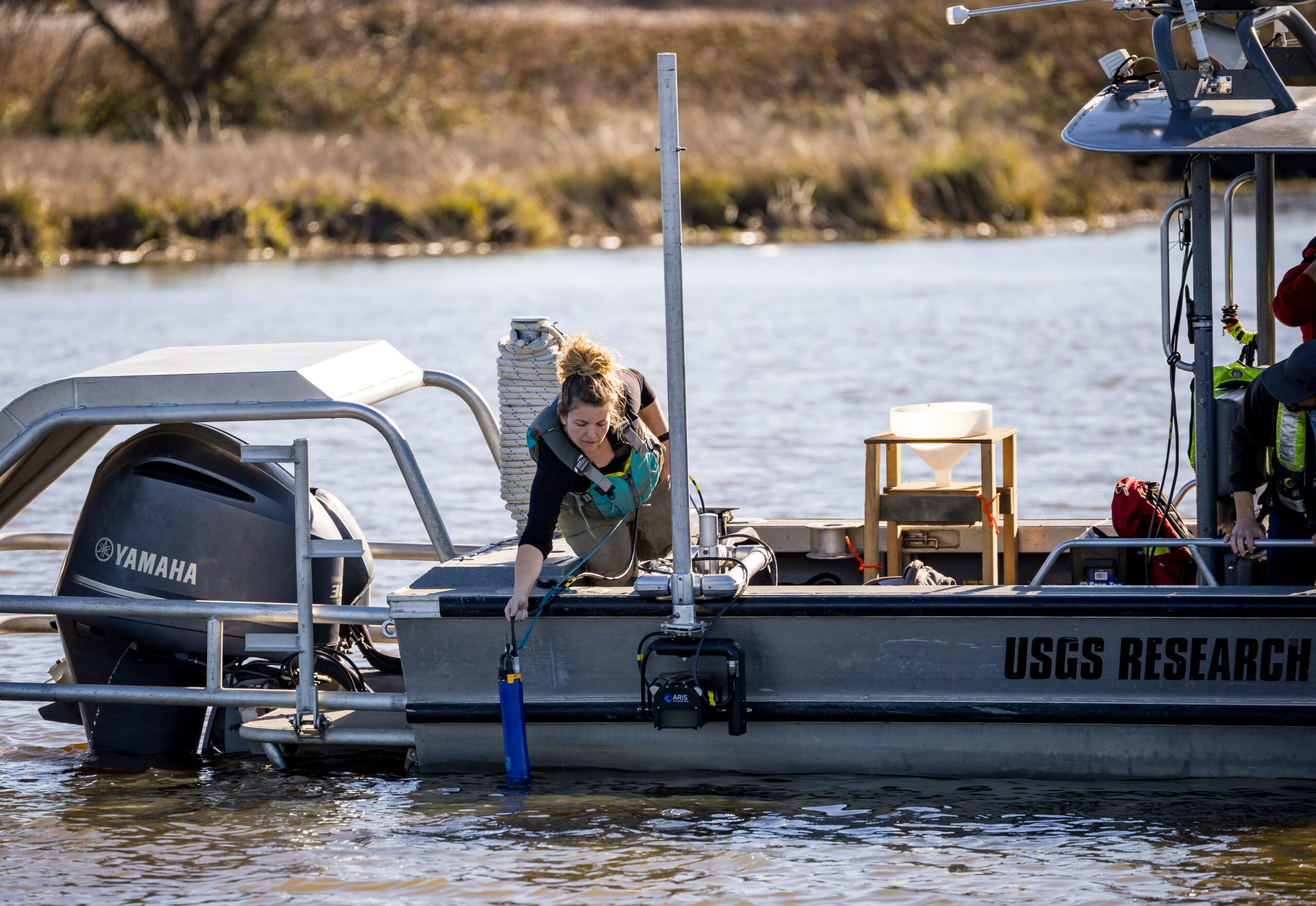
Perhaps the most important contribution applied research can make to water policy, given California’s increasingly boom-bust hydrology, is the development of robust, transparent water accounting systems.
California’s farms, communities, and ecosystems would all benefit from more accurate and timely systems to track how rain and snowmelt move through soils, vegetation, groundwater, rivers, and wetlands. Just as important are improved tools to monitor and measure water use—across agriculture, cities, and the environment—so that managers can respond quickly and effectively to changing conditions. Without these systems, water planning, management, and emergency services are all hamstrung. It is not possible to make the smartest decisions without knowing where water is and how it is being used.
While California is better equipped than many states to meet these needs, it also faces greater challenges. These include a vast and diverse water system, multiple layers of governance, chronic groundwater overdraft, and a complex water rights framework. Together, these factors make transparent, statewide accounting especially difficult.
This is an exciting time to tackle such a challenge: promising new and emergent technologies—including advances in remote sensing and machine learning—will allow for improvements in water accounting that were not possible only a few years ago. Californians are already beginning to see benefits from these technologies, such as satellite imagery used to track water use under the Sustainable Groundwater Management Act (SGMA). But the state faces unprecedented changes in the way it partners with the federal government to supply critical data collection and communications services. The state government needs to step in to ensure these critical inputs remain available.
We identified three areas where new research initiatives in water accounting would provide the most benefit: tracking water availability and use, monitoring groundwater recharge, and protecting water for the environment.
Tracking Water Availability and Use
In California, increasing drought intensity is putting pressure on the institutions that manage water allocation during periods of scarcity, making it difficult for water users to plan and respond effectively. The droughts of 2012–16 and 2020–22 revealed significant weaknesses in the information systems used to forecast runoff timing and volume—particularly for snowmelt.
Two governance issues emerged during these droughts. First, state agencies had to determine the timing and degree of water curtailments based on incomplete information about local streamflows and water storage. Second, the system for tracking and protecting water releases from reservoirs was not robust enough to ensure adequate downstream flows and water quality. These droughts also emphasized the need to better understand the connections between intense groundwater pumping and the depletion of surface flows in many watersheds.
To manage water more efficiently during droughts, California will need to invest in upgrading its water accounting systems. Targeted research efforts can help guide these investments. Research should:
- Identify needed improvements in the detection systems used to measure water availability in rivers, reservoirs, soils, snowpack, and groundwater; and
- Document depletions of water through diversions, groundwater pumping, vegetation, and consumptive use by farms and cities.
This research would support the design and implementation of a near real-time, integrated water accounting system for all of California, which is necessary for making the most of scarce water supplies while complying with regulations and water rights.
Monitoring Groundwater Recharge
Groundwater is California’s most important drought reserve, accounting for two-thirds of the water supply during critically dry periods. Moreover, the storage capacity of California’s underground aquifers is larger than all of its reservoirs and snowpack combined. But this important water source has been overused, causing significant economic and environmental impacts. After more than 10 years, the 2014 Sustainable Groundwater Management Act has set California on a path to sustainability by the early 2040s. But achieving SGMA targets will require robust accounting programs that document groundwater replenishment, storage, and use.
Local groundwater agencies have made significant advances in groundwater accounting, driven by SGMA requirements and bolstered by technical support from the California Department of Water Resources (DWR). However, continued improvement in water accounting will be needed to standardize and scale up key practices like managed aquifer recharge. These practices include implementing managed recharge on privately held lands and recharging water diverted from rivers during very high flows. These approaches to recharging aquifers are emerging as cost-effective methods to store water—and there is significant room for growth.
Research can help develop accounting systems that:
- Track the movement, amount, and quality of the water recharged;
- Identify where to recharge water for the greatest benefit; and
- Assign water credits to rechargers. (This should ideally complement the work already being done by state agency staff and local groundwater sustainability agency engineers and technicians.)
In addition, improved accounting systems would help decisionmakers and water users determine when and where to divert water from rivers for recharge programs in ways that minimize impacts to downstream water users and the environment.
Better accounting systems would improve our understanding of how rivers, streams, wetlands, and other surface waters contribute to groundwater recharge. Tracking and predicting fluctuations in natural recharge will illuminate the tight connections between surface and groundwater resources, including how more intense droughts and storms, as well as high-intensity wildfires in headwater forests, may impact aquifer replenishment. Research should help devise efficient monitoring systems that would allow managers, regulators, and water users to anticipate water availability and adjust their decisions accordingly.

Protecting Water for the Environment
Tackling the decline in freshwater ecosystems and native biodiversity remains one of the thorniest challenges in California water. Efforts are underway throughout the state to improve ecosystem conditions and protect native fish and wildlife. Water agencies and the state government are making large investments to protect the quantity and quality of water left in rivers for both human uses and ecosystem health.
However, there are currently no accounting systems in place to ensure that water dedicated to the environment is protected and used as intended. Diverse stakeholders are increasingly calling for evidence of ecosystem benefits and for transparency around the economic costs of environmental water. To ensure that these environmental investments are protected and foster the recovery of aquatic ecosystems, water managers and researchers need more sophisticated accounting systems that track environmental water and allow them to evaluate its benefits.
There are two key areas where improved water accounting is necessary to spur improved environmental outcomes:
- Implementing functional flows. To improve habitat for native species, environmental water managers increasingly recognize the need for flow variation that mimics natural variability. These “functional flows” improve water quality by restoring water temperatures, dissolved oxygen, sediment, nutrients, and salinity to healthy levels. Improved water accounting facilitates functional flows by providing sophisticated tracking of water availability to implement the nuanced flow changes and to ensure the environmental water stays in the river.
- Secure more water for the environment. Major efforts are underway to secure more water for the environment through regulations, voluntary agreements (where water right holders dedicate supplies to environmental use), and the construction of new infrastructure to deliver or store environmental flows. An improved accounting system protects those investments by tracking the water to ensure it reaches the intended area of benefit.
DWR, in collaboration with the State Water Board (SWB) and the California Department of Food and Agriculture (CDFA), must continue working with researchers to develop clear water accounting systems to track storage and releases for the environment and design policies that enable and support their use.
Paying for Water

California’s water system faces mounting costs from the changing climate, water quality regulations, and aging infrastructure. Typically, the federal government has helped cover these costs by contributing data collection, infrastructure grants, and programs to subsidize water bills for low-income households, but this support is now increasingly in question. Applied research has identified ways to improve resilience, but too often it stops short of answering a central question: how to fund and implement solutions.
To build a water system that can meet diverse demands from communities, agriculture, and the environment while remaining affordable, the state and its partners must identify how to fund expensive yet critical investments—with approaches ranging from innovative financing mechanisms to policies that distribute costs more broadly. The state and its partners (such as local water agencies) must also ease the burden of water costs on households, particularly in underserved communities that face higher risks and have fewer resources for adaptation. Market-based tools such as trading programs, informed by robust accounting systems, can reallocate scarce water resources and help lower the overall cost of adaptation.
Identifying How to Fund Major Investments
State and local governments are under pressure to make major investments in water supply, water quality, ecosystem restoration, and flood protection to respond to the changing climate, aging infrastructure, and new regulations. These efforts can get expensive: the bill for meeting stringent PFAS (“forever chemicals”) requirements in Orange County drinking water alone is expected to cost $1.8 billion over 30 years.
The key challenge is how to pay for investments in the future as federal funding becomes uncertain—and while also meeting current challenges. Utilities can rely on a ratepayer base to fund some of their activities, but this source falls well short of the collective need. Some issues demand solutions that cross jurisdictional boundaries, such as managing headwaters to reduce extreme wildfire or investing in regional water delivery systems. It is often hard to negotiate how much each party should contribute, especially when they face different funding restrictions.
And many of the costliest challenges facing the state, like addressing flood risks and restoring ecosystems, are “fiscal orphans” that lack reliable revenue sources. They rely on occasional infusions of funding from bonds and state general funds or, decreasingly, the federal government.
California must look for creative approaches to fill the funding gap. Research can help inform this effort, including:
- Reviewing how well current funding approaches are working, where funding gaps are increasing vulnerability, and the cost and consequences of inaction;
- Identifying policy changes that can remove funding bottlenecks; and
- Developing new strategies—including private sector financing—that could offer innovative solutions.
Safeguarding Affordable Drinking Water
California must ensure that its water system remains affordable, especially for households that are struggling to pay their bills. Rural and low-income areas face urgent water-related challenges, including limited access to safe and reliable drinking water. Addressing these issues will require close collaboration among researchers, state agencies, and local partners to design policies that modernize water systems without placing undue burdens on those least able to pay.
A few research initiatives could help, though they will all face headwinds as federal funding declines:
- Improve how the state defines (and addresses) water affordability. The State Water Board’s SAFER program and the California Public Utilities Commission should work with local water agencies to develop more robust metrics to capture the full cost of water services, identifying which households are most burdened by rising rates and designing long-term funding mechanisms for water assistance programs. Researchers should also partner with state agencies and utilities to examine how affordability policies affect water system operations and infrastructure investment.
- Encourage consolidation. Consolidating small water systems offers a potential pathway to improving service and lowering long-term costs, but its success depends on the local context and institutional capacity. Research can help clarify when consolidation is most effective; how to overcome social, institutional, and financial barriers; and how to ensure that transitions do not disrupt service or impose disproportionate costs on low-income communities.
- Prioritize domestic wells. Finally, users of California’s 350,000 domestic wells face unique challenges that require greater policy attention. One study found that roughly 20 percent of wells in the Northern San Joaquin Valley failed to meet safe water standards. While state and local programs provide a foundation for water quality monitoring, further work is needed to assess cost-effectiveness and expand coverage. Research should focus on developing strategies to efficiently scale up testing and treatment of contaminants, combining well sampling with model-based assessments. In addition, outreach strategies should be evaluated and strengthened to ensure well users are aware of and connected to available state assistance programs.

Employing Markets to Manage Scarcity
Water scarcity is an increasing concern in California. State scientists project up to a 10 percent reduction in water supplies by 2040, though impacts will vary across regions and sectors. In the San Joaquin Valley, farms could experience 20 percent reductions in applied water due to groundwater pumping restrictions under SGMA, climate change, and new environmental regulations.
Market-based approaches offer one way to lower the economic, social, and environmental costs of these transitions. Publicly funded buyback programs can secure supplies for environmental or community purposes. And trading platforms allow water to move where it is most needed and most valuable, providing both flexibility when water is scarce and potential income from selling water. The success of water markets depends on strong accounting systems, good groundwater governance, adequate infrastructure, and safeguards for vulnerable communities and the environment.
Water markets can reduce the overall costs of sustainable groundwater use to farming communities by allowing users to prioritize water for crops with more revenue potential. And trading can complement groundwater banking by facilitating the storage and movement of water, making it easier to store water during wet periods for use during dry periods.
Yet market growth has leveled off since the 2000s, with new activity largely limited to drought-driven transfers and a few pilot groundwater markets. Barriers include weak accounting systems, regulatory constraints, limited infrastructure, and concerns about effects on small farms and rural communities. Mistrust and misunderstanding further complicate the adoption of markets.
Research is needed to chart a path forward. Researchers should identify policy changes to:
- Support fair, transparent, and accessible markets for trading both surface water and groundwater under SGMA;
- Improve education and outreach on benefits and risks; and
- Develop transparent accounting and market exchange platforms.
Building Climate Resilience

Over the past 20 years, research has increased our understanding of how climate change affects water availability and use. Related hazards like floods and wildfires are playing an increasingly large role in California’s water challenges. The federal government has been a key partner in responding to these hazards, but, as in other areas, that partnership is in transition.
As conditions continue to change, there is a growing need to translate climate and water research into practical tools that help decisionmakers design and implement effective solutions. Often called “bridge” or “translational” research, this work shifts the emphasis from understanding what to adapt to toward how to adapt.
Three priorities stand out. Better integrated water management models are needed to guide coordinated decisions across sectors and regions. Climate science must be translated into practical strategies to prepare for floods, fires, and other disasters. And multi-benefit projects should be designed and evaluated for their ability to deliver water supply, ecosystem, and flood-risk benefits in cost-effective ways.
Integrating Water Management Models
Water managers increasingly rely on computer models to inform their operations. These models integrate data about the hydrologic cycle with infrastructure operations and the competing needs of different users. They are typically tailored to address specific objectives—such as flood control, water supply, or environmental flows—within a defined geographic or institutional context.
Strategies like Forecast Informed Reservoir Operations, for instance, use models to fine-tune the timing of reservoir releases. These models balance storing water with leaving space in a reservoir to capture floods. Other models help manage hydropower generation or the water temperature in a reservoir. And outputs from these models can inform yet other models that predict downstream water quality and habitat, linking reservoir operations to environmental outcomes.
While these localized models have been essential for managing specific parts of the water system, they are often developed with narrow objectives. Researchers and funders alike tend to focus on their immediate, project-specific needs, resulting in a fragmented modeling landscape.
In addition, methods, assumptions, and data are rarely standardized across models. This fragmentation limits transparency, impedes collaboration, and makes it harder to inform integrated policy decisions across agencies and stakeholder groups. This siloed approach also makes it difficult to address systemwide issues such as integrated surface and groundwater management, tradeoffs across different sectors, and climate adaptation. It also creates barriers for smaller, local agencies who do not have the resources to do their own modeling.
California’s water system would benefit immensely from integrated water management models that link operations, planning, and implementation at larger scales and across sectors. These models should help water managers balance competing demands for water across agriculture, communities, and the environment, even in a decentralized system. To support more coordinated and equitable decision making, researchers need to work closely with agencies, water managers, and communities to develop integrated water management models that are useful, accessible, and transparent.
Preparing for Natural Disasters
California’s climate is marked by high natural variability: floods, droughts, and wildfires have long tested the state’s communities and water systems. This history has given California significant practice in disaster response, but climate change is amplifying risks and creating new combinations of hazards that demand better preparation. Here, too, federal cuts will impact disaster preparedness and response.
The good news is that over the past two decades, global climate models have vastly improved. Higher-resolution models now make it possible to simulate the impacts of climate change in California and understand the range of possible future events at the watershed scale—the scale that is most relevant for natural disaster preparation. These advances should be used to develop strategies for reducing risk.
- Drought or flood hazard models should incorporate the latest climate projections instead of relying on historical data. Similarly, headwaters management planning to reduce wildfire risk and restore forests should anticipate future conditions.
- Climate models should be connected to management tools by integrating models to develop future scenarios of likely floods, droughts, and fires, providing a stronger basis for planning and preparedness. Scenarios should account for cascading events—such as floods following fires—so managers can anticipate compound risks rather than planning for each hazard in isolation.
- The state could better inform planning within regional and local jurisdictions by providing standardized recommendations for disaster preparation based on these integrated scenarios, similar to the guidance devised for sea level rise along the coast. This guidance should also emphasize the use of early warning systems that can improve the success of disaster preparation and recovery.
Building connectivity between climate models and resilience-building tools will require extensive collaboration between climate scientists and experts, as well as disaster preparedness and recovery experts, on the social, environmental, and economic impacts of natural disasters. This research should support planners and funding agencies in evaluating the costs and political feasibility of alternative approaches to risk reduction—including the hefty costs of not preparing for disasters.
Quantifying the Benefits of Multi-benefit Projects
Multi-benefit projects are designed to deliver on a suite of desired outcomes. In the past decade, multi-benefit projects for water and forest management have gained traction as the need to make limited dollars go further has risen. Examples include flood management projects where levees are removed or set back to store and convey water on floodplains, which can also improve riparian and wetland habitat, groundwater recharge, and water quality. Similarly, headwater forest management can reduce wildfire risk and associated air quality impacts, while enhancing water quality, carbon storage, and wildlife habitat.
These projects help stretch limited resources, build public support, and appeal to a broader base of funders—including state and federal programs, philanthropic foundations, and in some cases private investors. Some funders and regulators now require project applicants to demonstrate multiple benefits as a prerequisite for consideration, reflecting a growing emphasis on accountability and return on investment.
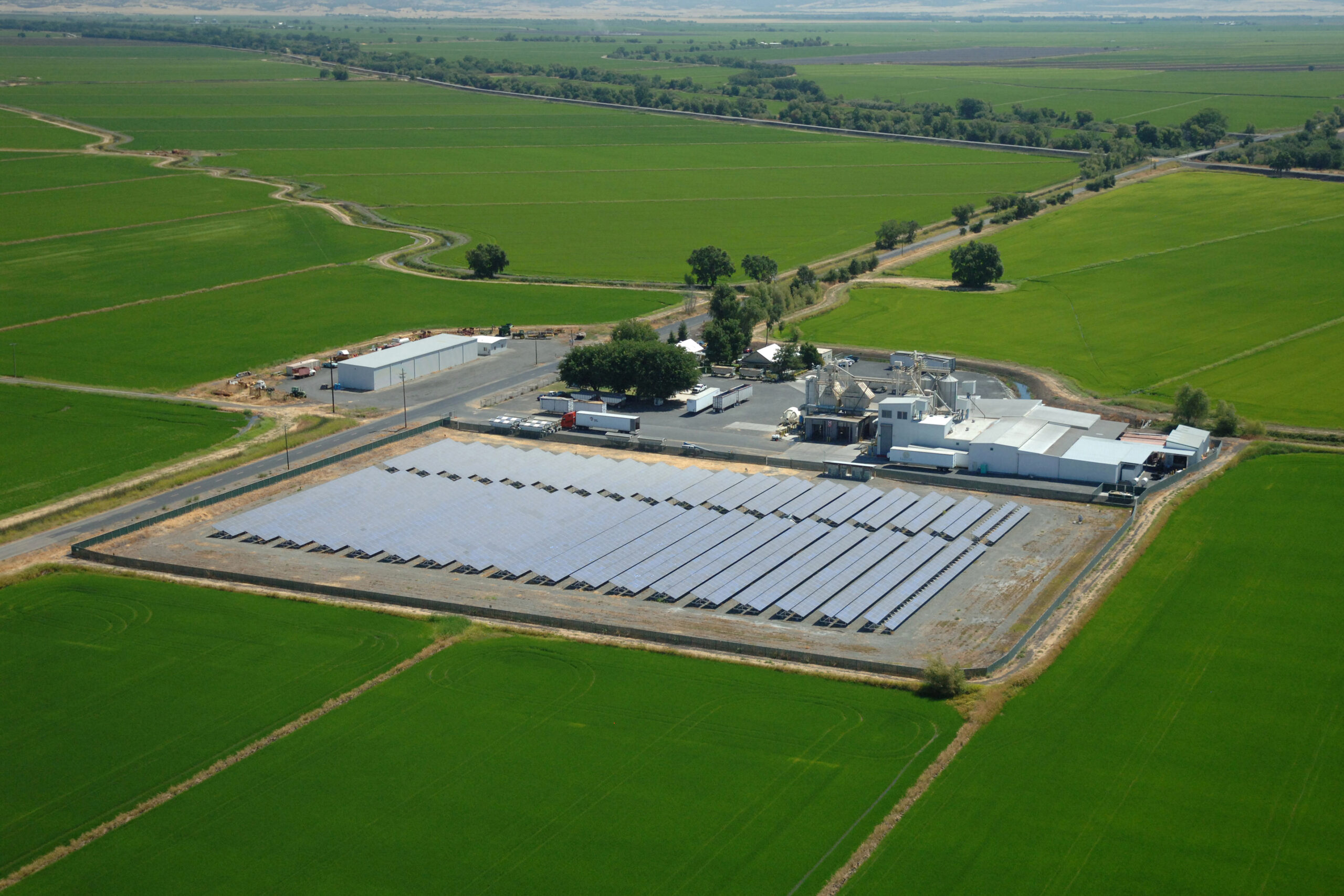
Despite their advantages, however, multi-benefit projects face major challenges in rigorously defining and measuring their outcomes. Each category of benefit common to such projects has its own evaluation methodology and standards, making apples-to-apples comparisons across projects difficult. Researchers and project proponents seeking funding have an incentive to develop a laundry list of benefits, but not to enumerate relevant assumptions and anticipate implementation challenges. In some cases, desired benefits may even conflict, compromising the overall impact or threatening project viability.
Continued progress on multi-benefit projects depends on the confidence of policymakers and funders that the benefits are both measurable and meaningful to stakeholders. To improve accountability and establish cost effectiveness, researchers must provide credible, quantified benefits estimates, including how permanent they may be. This means developing new, integrative frameworks to account for diverse project benefits, which may be measured in a variety of ways, from dollars saved to homes not flooded.
Using Research to Rise to Current Challenges
Local and state governments face many water and climate challenges, and research is critical to surmounting them. In this report, we have identified three priority research areas to improve water policy and management in California: accounting for water, paying for water, and building climate resilience. This cross-sector approach is intended to provide broad support for near-term decision-making by water and natural disaster managers.
The current research environment, however, is undoubtedly the most challenging in decades. The federal government is typically the largest funder of applied water resources and natural hazards research. It is also the largest provider of the data needed to complete the research, supplying both financial resources and expert personnel.
Given that the federal government is pulling back from its traditional role in California water, it will be important to assess current and future needs in this new context.
The California Natural Resources Agency and the California Environmental Protection Agency should coordinate a review of research and monitoring programs funded by the state, local governments, and water user communities to examine whether these efforts could be expanded to address critical gaps in federal support for services that impact water management and climate resilience. California should collaborate with other states to determine if they can collectively fill these gaps in ways that benefit the larger region and nation.
This effort should also outline a plan for promoting continuity in data, communication, and water systems management formerly provided by the federal government as cutbacks occur. The legislature and sister agencies should support this effort, including removing roadblocks to using bond funds for research and monitoring.
The above efforts need to consider forward-looking research priorities for California water—namely how to better account for water, pay for water, and build climate resilience—while adapting to the changing federal partnership. There may be opportunities for efficiency and beneficial change within the many adjustments that will be necessary.
Research provides the foundation for innovation and adaptation—and the need for both is greater than ever. Fortunately, Californians have shown broad support for sensible measures that protect the state’s critical resources; the passage of SGMA is a landmark example of this. And researchers at state agencies, universities, and other institutes are already taking steps towards a data-driven, adaptive water system.
To build on this momentum, California will need bold leadership at all levels of government. Supported by its world-class research community and working in partnership with stakeholders, California can forge the path towards a climate-resilient policy and research agenda that serves all water users.

Topics
Drought Floods Forests and Fires Freshwater Ecosystems Paying for Water Safe Drinking Water San Joaquin Valley Water Supply Water, Land & Air WildfiresLearn More
What California’s Next Governor Needs to Know about Water
Commentary: California’s Water Partnerships Are Effective—and in Danger

How California Water Can Navigate a Changing Federal Partnership
Federal Satellites Gather Critical Data for Managing California’s Water
Uniting the Central Valley Project and the State Water Project Would Benefit All Water Users
How California Partners with the Federal Government on Water Infrastructure
How California Partners with the Federal Government on Water and Weather Forecasts